Match-Trader Is Now Integrated With MarketMemo
Trading doesn’t break down because of a lack of tools. It breaks down because tools don’t talk to each other.
Execution happens on one platform. Analysis happens somewhere else. Notes live in a third place. Over time, context fragments. Decisions lose continuity.
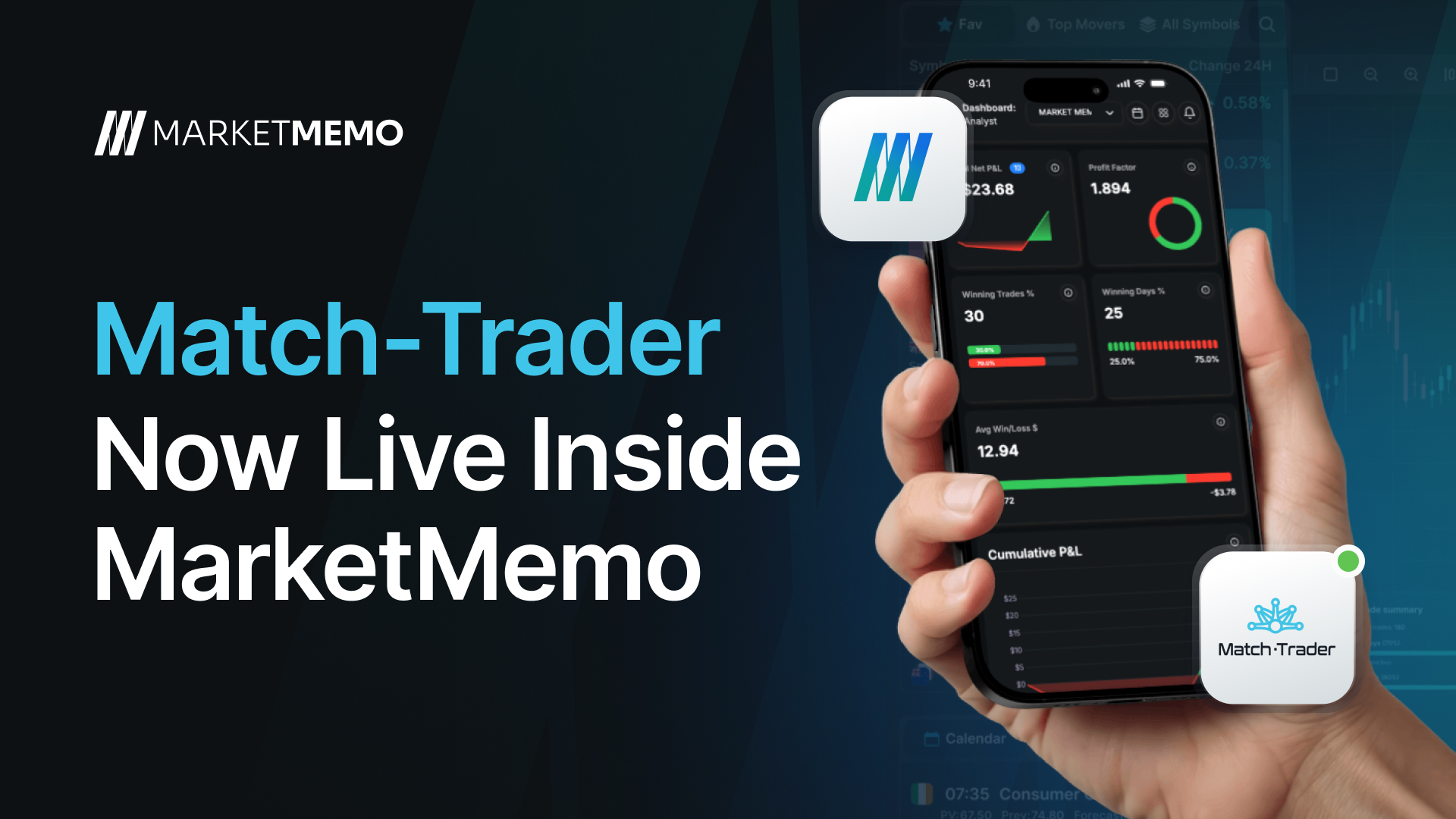
Match-Trader is now live inside MarketMemo to reduce that fragmentation.
This integration connects execution and review inside the same structured workflow. Instead of separating where trades happen from where they’re analyzed, traders can now bring those layers together.
That changes how decisions are organized , not just where they’re placed.
What Is Match-Trader?
Match-Trader is a web-based trading platform designed for forex and CFD trading. A web-based platform means it runs directly in a browser, without requiring heavy desktop installation. That structure makes access simpler across devices.
It allows traders to:
- Execute positions
- Manage risk
- Monitor open trades
- Analyze charts
Unlike legacy desktop platforms such as MetaTrader 5, Match-Trader was designed with a browser-first architecture. That architectural difference affects how traders log in, manage sessions, and move between devices.
Now, that environment connects directly to MarketMemo.
What “Live Inside MarketMemo” Actually Means
Match-Trader is now integrated into MarketMemo’s workspace.
That means:
- Trades executed on Match-Trader can be organized inside MarketMemo
- Performance can be reviewed within the same structured environment
- Context, notes, and behavioral patterns can be layered on top of execution data
MarketMemo is designed as a market intelligence workspace , not just a journal. A journal records outcomes. An intelligence workspace organizes decisions, context, and behavioral patterns around those outcomes.
Connecting Match-Trader strengthens that structure because it reduces the distance between action and review.
When that distance shrinks, clarity improves.
Why This Integration Matters
Most trading breakdowns happen between execution and reflection.
A trader places a position. Later, they try to remember:
- Why they entered
- What conditions were present
- Whether risk behavior shifted
- If execution matched their plan
When execution data and review tools are disconnected, that reconstruction becomes incomplete. Gaps appear. Patterns get missed.
By connecting Match-Trader with MarketMemo, the workflow becomes more continuous:
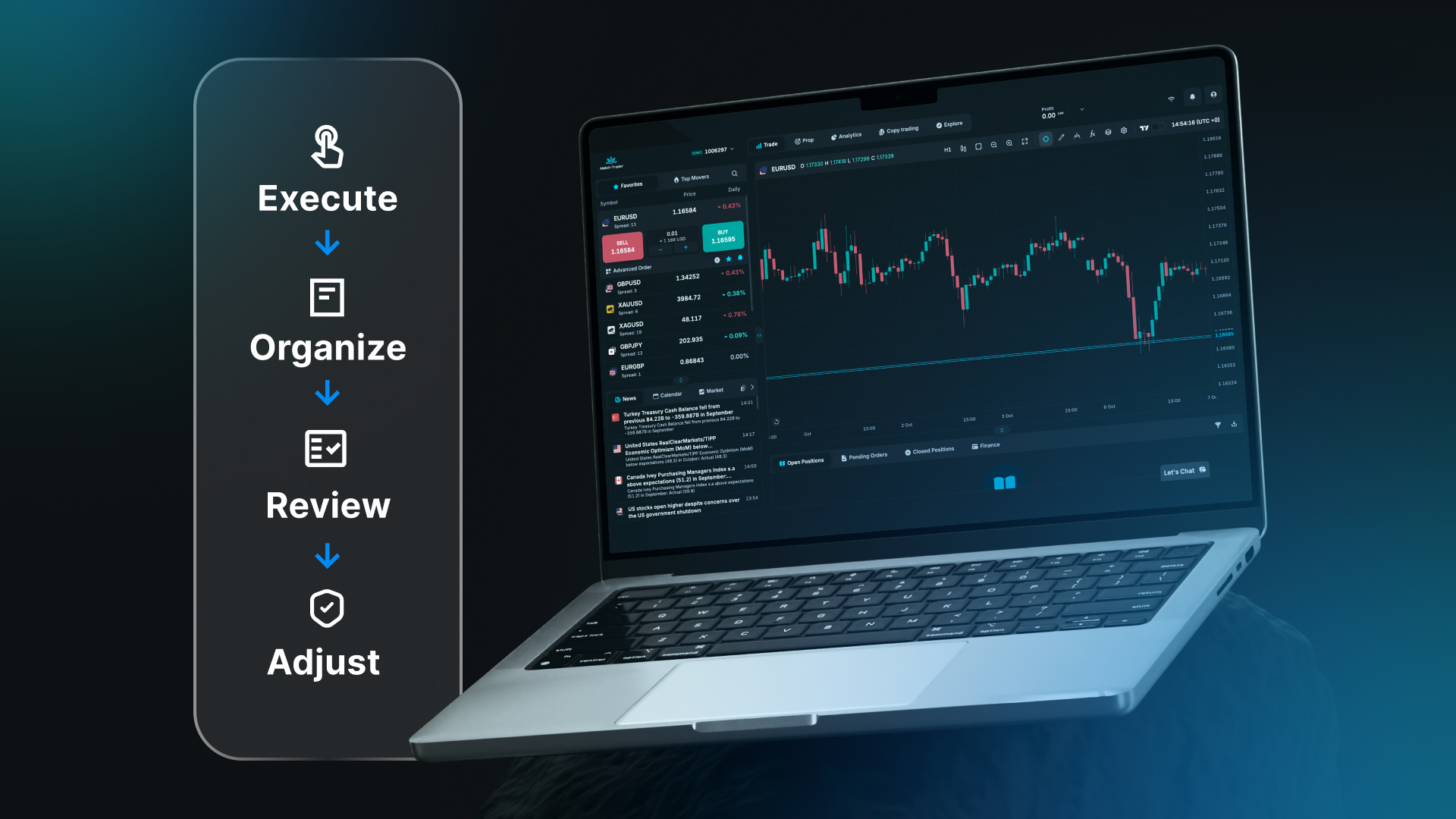
This continuity matters because trading consistency depends on structured feedback. Without feedback loops, behavior repeats unnoticed.
The integration helps close that loop.
Designed for Traders Who Want Structure
This integration is structured for traders who:
- Trade manually
- Value browser-based access
- Want execution and review aligned
- Prefer fewer platform transitions
It does not replace other platforms. It offers a different structural approach.
Some traders rely on specific desktop environments or automated scripts. Others prefer cleaner browser-native setups. Match-Trader is designed for that second profile.
MarketMemo supports structured review regardless of platform choice , and now includes direct integration with Match-Trader.
What This Means for Your Workflow
If you trade on Match-Trader, your workflow inside MarketMemo becomes simpler.
Instead of:
Platform → Screenshot → Notes → Spreadsheet
It becomes:
Platform → Organized Review → Structured Insight
The goal is not to add complexity. It’s to reduce friction between decision and analysis.
When friction decreases, clarity improves.
And clarity supports consistency.
The Bigger Picture
MarketMemo continues evolving toward a unified trading workspace.
Execution, context, behavior, and review are layers of the same process. When those layers operate independently, decisions feel reactive. When they’re structured together, decisions become deliberate.
Match-Trader being live inside MarketMemo strengthens that structure.
Because better trading doesn’t start with more tools.
It starts with better organization of the tools you already use.


